Protecting Business Momentum When External Forces Disrupt the Plan
Momentum builds credibility—until external disruption reshapes the plan. How leaders respond determines what happens next.

Leadership Discernment: Knowing When to Rely on Judgment Over Data
In uncertain environments, leadership requires discernment — the ability to separate business reality from noise and act with confidence.

Year-End Performance Gaps: Accountability and Adaptability
Year-end performance gaps are signals, not just numbers. How leaders respond shapes momentum heading into the new year.

Blind Spots in Leadership: Empathy During the Holidays
Sometimes the clearest insight into our leadership doesn’t come from those who know us well, but from strangers who see us without context.

Blind Spots in Leadership: When the Mirror Is a Stranger
Sometimes the clearest insight into our leadership doesn’t come from those who know us well, but from strangers who see us without context.

Blind Spots in Leadership: The Courage to Invite Honest Feedback
Blind spots rarely show up in isolation. They reveal themselves in relationships, reactions, and patterns others can often see before we can.

Blind Spots in Leadership: The Hidden Patterns
Leadership blind spots influence decisions, alignment, and team trust. Identifying what you may be missing is the first step toward stronger impact.

How Leaders Use Root Cause Thinking to Drive Real Progress
Root cause thinking helps leaders move from reaction to reflection. When we examine systems instead of symptoms, progress becomes sustainable.

Root Cause Discipline: Learning from Missed Expectations
When performance falls short, the real work begins. Root cause discipline separates emotion from fact and guides leaders toward clear, accountable correction

Levity in Leadership: Keeping Perspective in Q4
In high-pressure seasons, leadership requires more than execution. Levity and perspective keep teams grounded and resilient.

Root Cause Thinking: Designing Beyond the Calendar Year
Q4 brings pressure to reset and perform. Root cause thinking invites leaders to pause, listen, and design beyond a single calendar year.

Building Resilience in Leadership: Connection, Flexibility, and Perspective
Resilience is a strategic advantage. Leaders build it through in-person connection, flexible planning, and learning beyond their industry.

Disciplined Time: The Foundation of Trust and Resilience
Time usage reveals what leaders truly value. Disciplined presence builds trust, strengthens resilience, and shapes the culture people experience every day.

Resiliency in Leadership: Building Trust When Change Tests You
Real resilience comes from building balance inside the work—when shifting priorities, deadlines, and perspectives collide.

Resilience at Work: Finding Balance Inside the Pressure
Real resilience comes from building balance inside the work—when shifting priorities, deadlines, and perspectives collide.

Busy or Building? How Leaders Stay Focused on What Truly Matters
Busyness can feel productive, but without clarity it becomes noise. Leaders who shift from activity to relevance build meaningful impact instead of spinning their wheels.
Stories From the Path™
-
![Two men smiling near a swimming pool, with greenery in the background.]()
John Cox
John represents the “S” in siY, LLC. He was my first business mentor and is the foundation of what safety became for me in my career. On our walk we covered the topics of family, laughter, mentoring, networking, and chemical engineering.
-
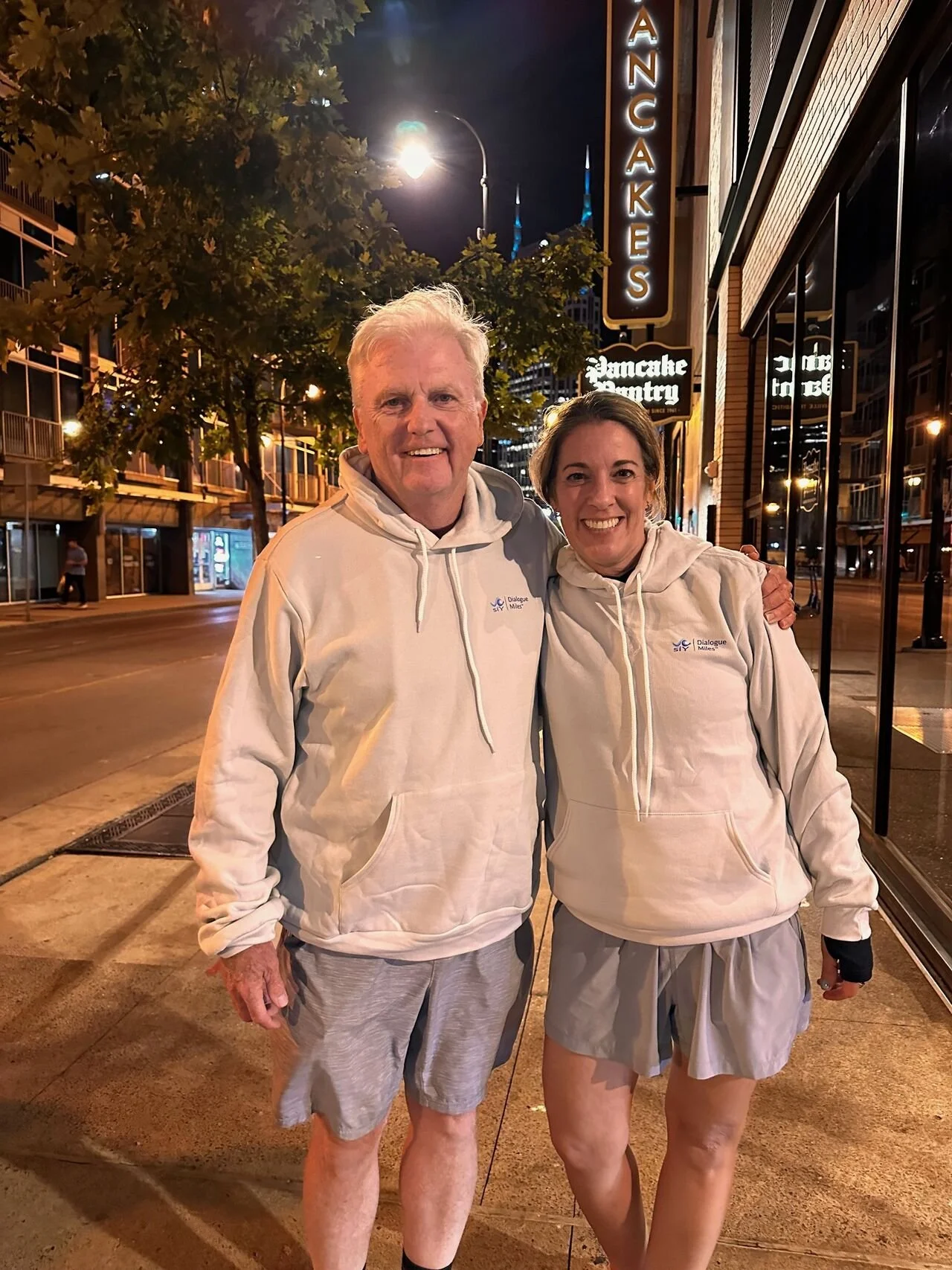
![Two people wearing matching hoodies in front of a Pancake Pantry sign at night.]()
Deb Cupp
We touched on leadership, navigating aging parents, and the importance of staying connected—whether it’s to family, friends, or your team. One of the highlights of the day was when Deb’s team came out to say hello during our hike.
-
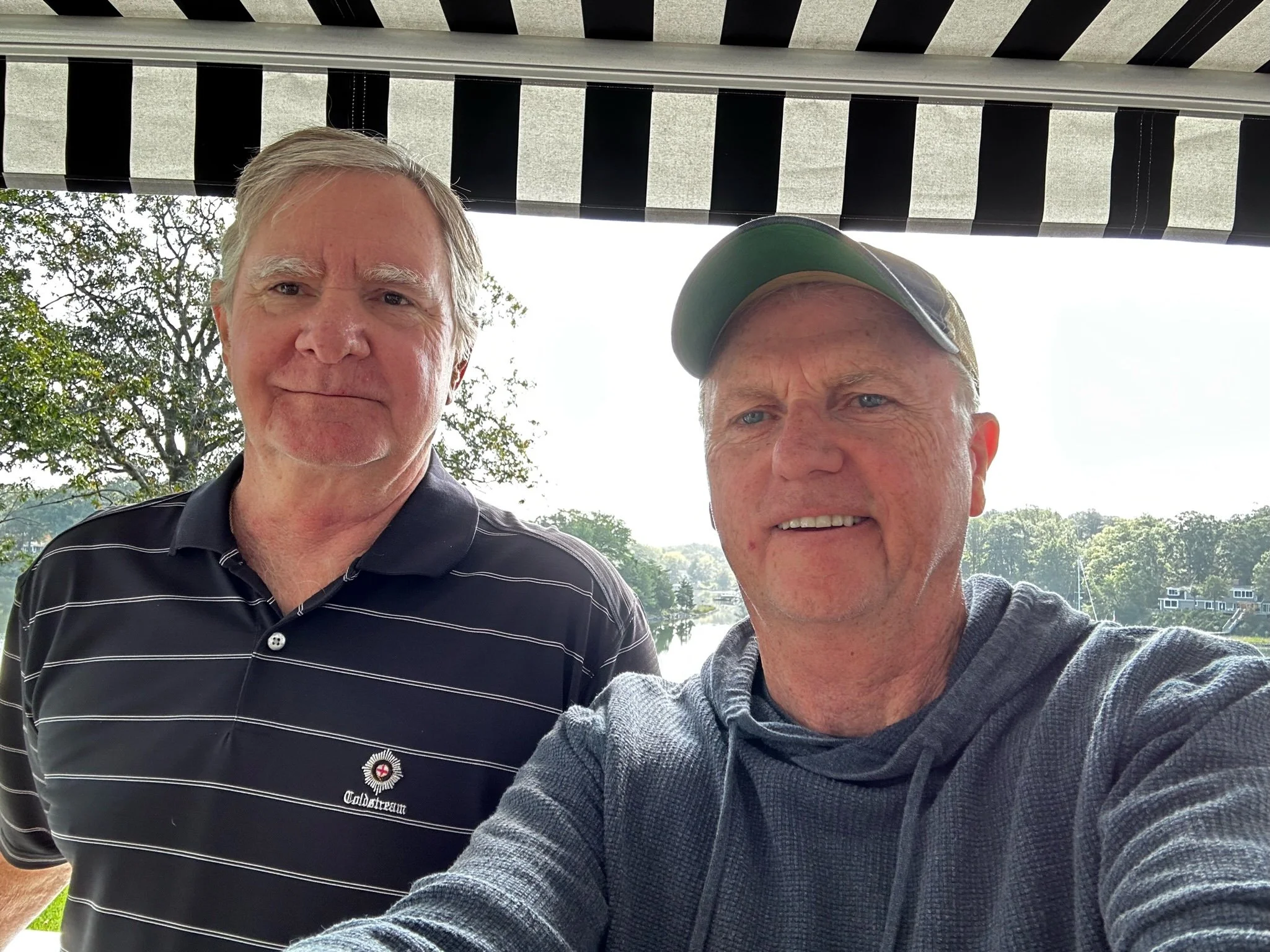
![Two older men posing under a striped awning outdoors.]()
David Clarke
On a fall day in Northern Neck, I walked with David Clarke, reflecting on over two decades of friendship built on shared challenges, purpose, and resilience. His story of adapting to life with Lyme disease reminded me of the power of kindness, empathy, and staying true to our values through life’s trials.
-
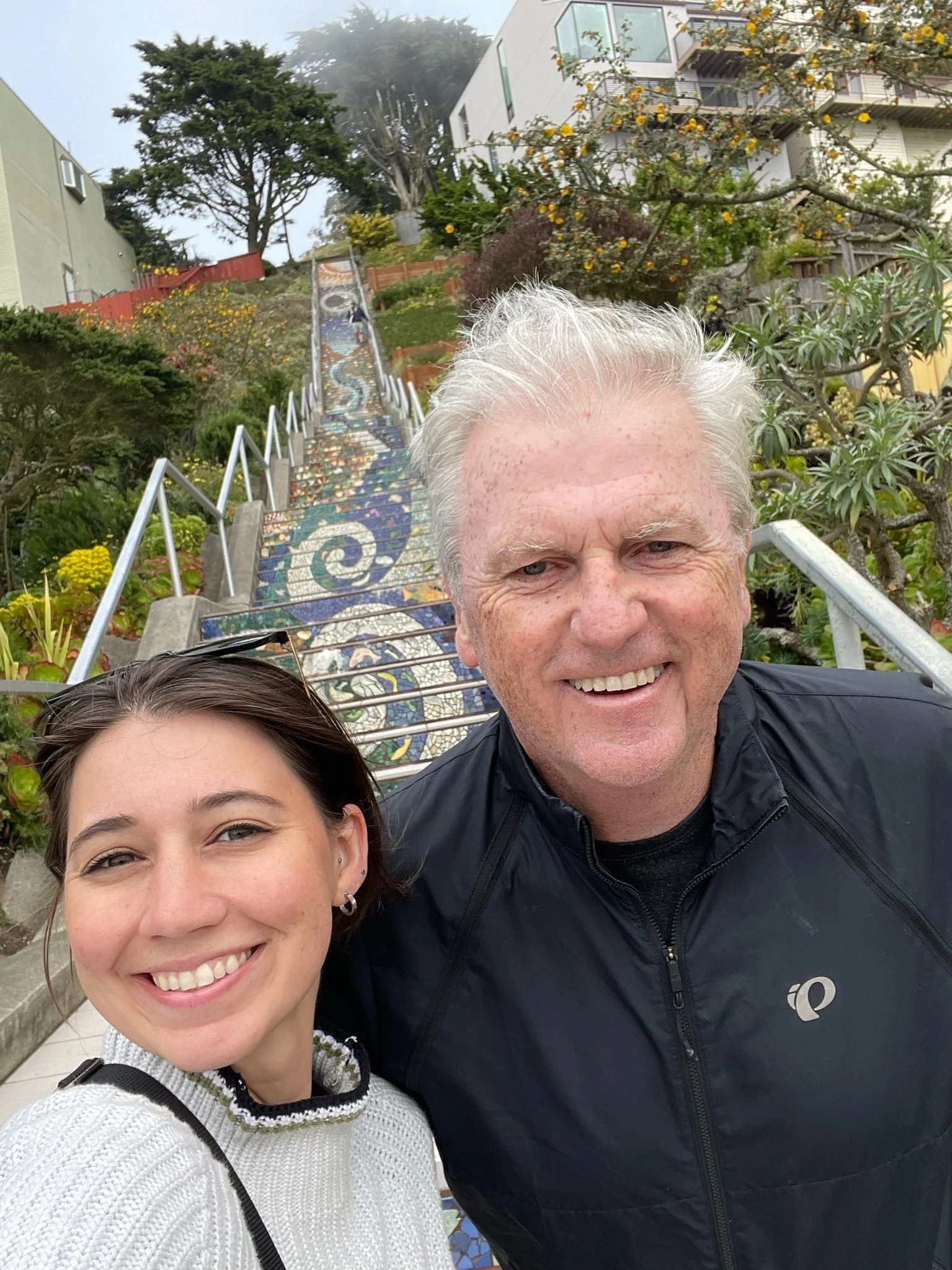
![Two people smiling in front of a colorful outdoor mosaic staircase, surrounded by greenery and buildings.]()
Chloe Adams
During my 7-mile Dialogue Miles™ walk with Chloe Adams in Cincinnati, Ohio, we explored ideas around vision, purpose, and building trust in leadership. Chloe’s strategic insights and dedication have been integral to the growth and success of siY, LLC.
-
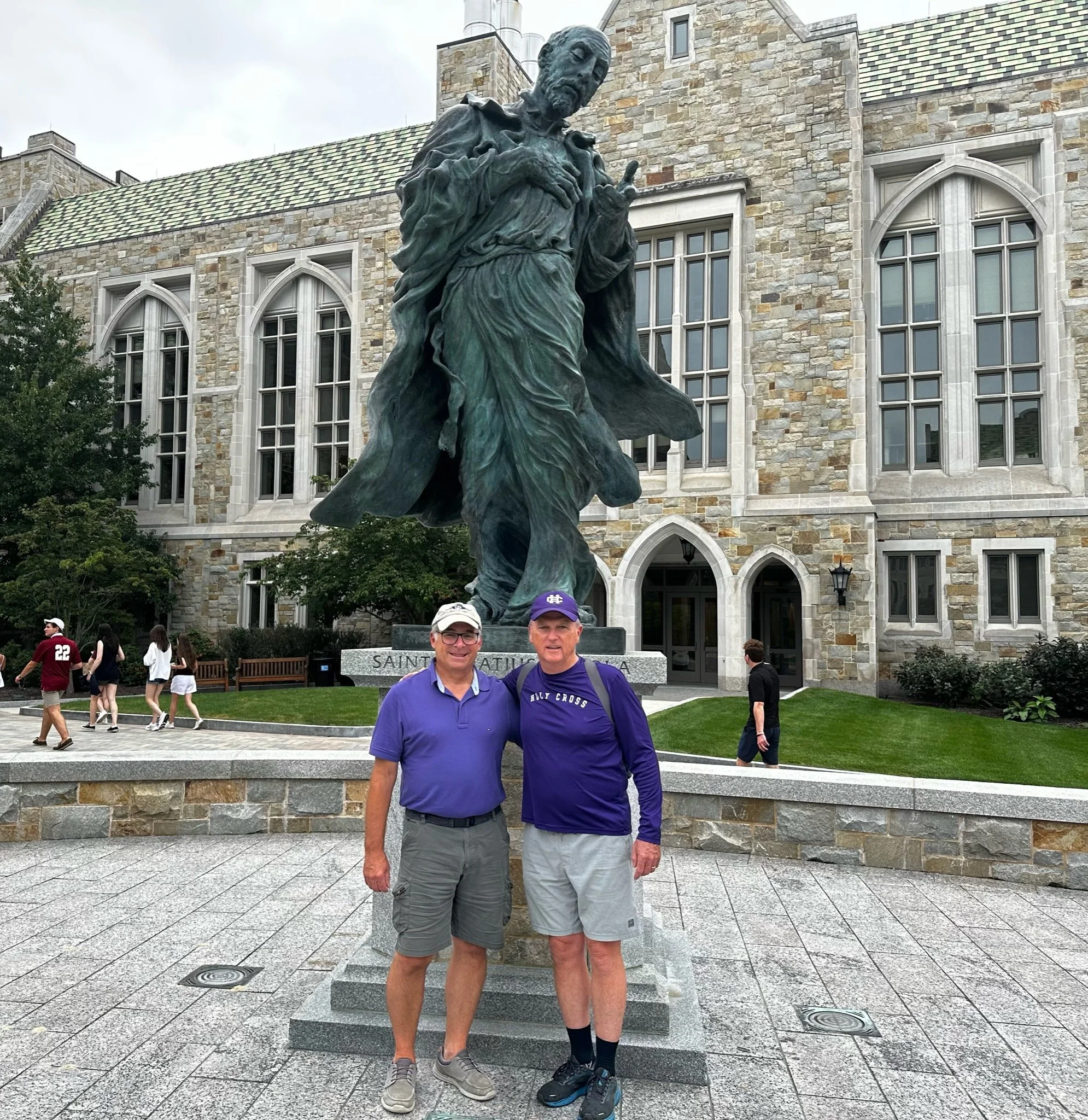
![Two men standing in front of a large bronze statue outside a stone building with Gothic architectural features, including arched windows and a stone facade. The statue is labeled 'Saint Ignatius.']()
Jeff Forts
Jeff Forts and I reconnected in Osterville, MA, reflecting on decades of friendship, shared memories, and the connections that have shaped our lives. Our time together was a reminder of the enduring bonds that grow from inclusivity, support, and the joy of simply showing up for each other.
-
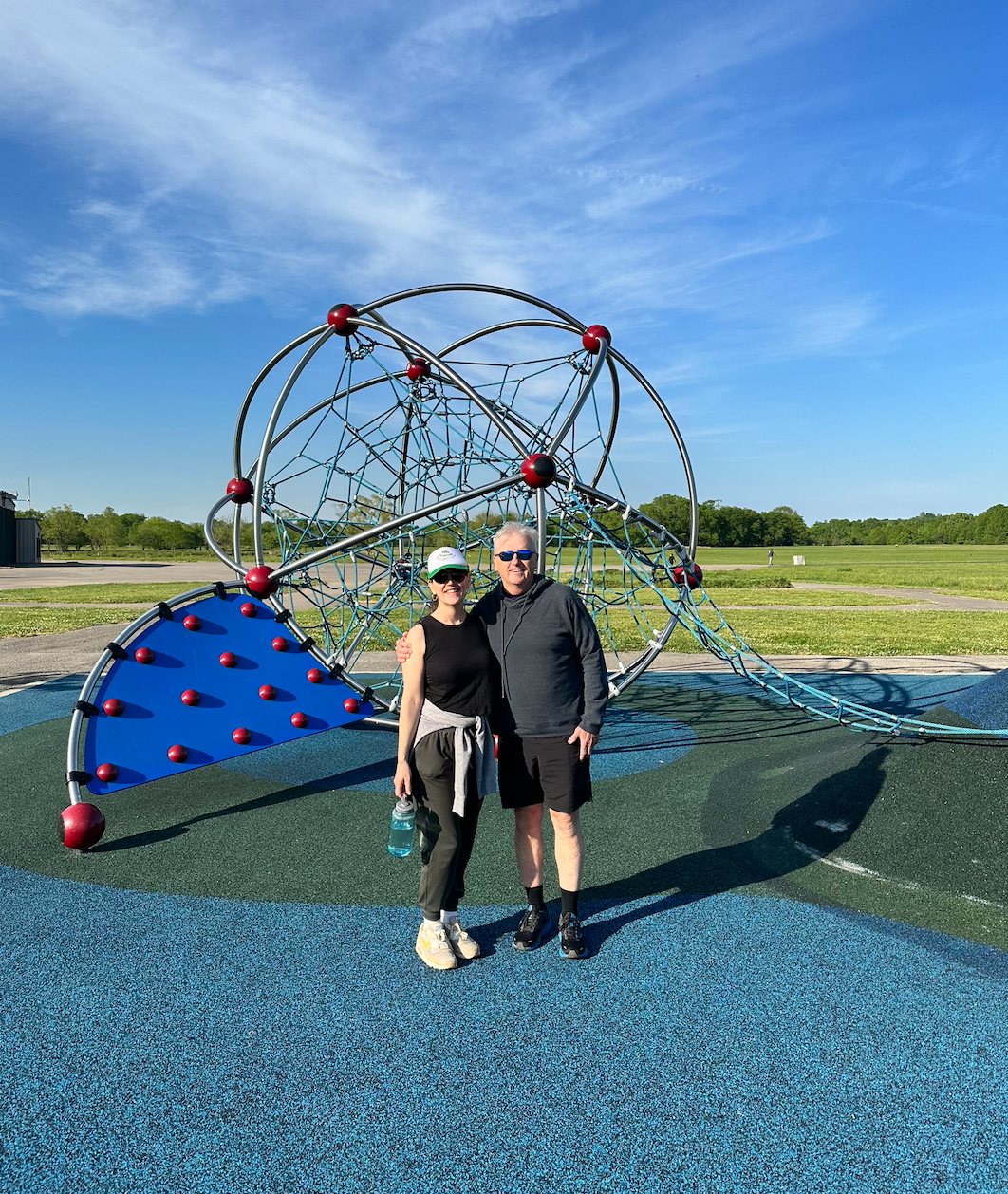
![Two people standing in front of a playground climbing structure on a sunny day.]()
Ann Howard
Walking with Ann Howard in Shelby Bottoms reminded me of the power of trust, transparency, and focus in both life and business. Our conversation about teamwork and navigating challenges highlighted the importance of building relationships that help us tackle complexities with resilience and grace.
-
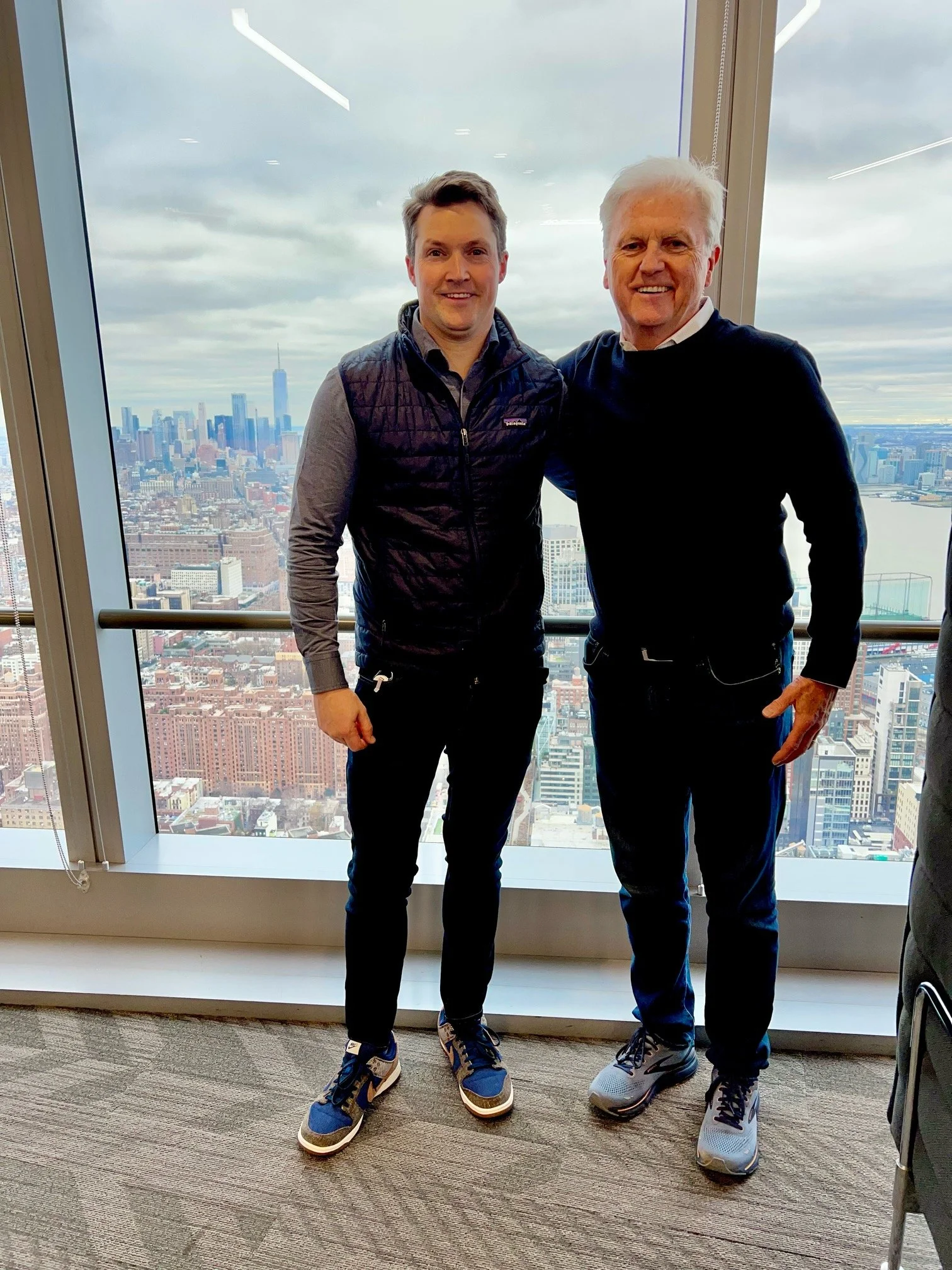
![Two people standing in front of a large window with a cityscape view.]()
Billy Baker
Walking 12 miles through NYC with Billy Baker was a testament to the value of intentional connection, mutual respect, and authentic relationships. From inspiring conversations to shared insights, it was a reminder of how meaningful mentorship and genuine engagement can shape both personal and professional growth.
-
![Two people standing together, smiling, with a purple lighting effect in the background.]()
Pam Maynard
Walking 5 miles in Miami with Pam Maynard was a celebration of laughter, shared values, and deep conversations. From tackling leadership challenges to fostering boundless curiosity, our connection reaffirmed the importance of aligning on values, embracing vulnerability, and building friendships that inspire future impact.
-
![Two men standing on a rocky surface in a forest, both wearing casual clothing and hats, with trees and a small stream in the background.]()
Doug Fecher
A 4-mile walk with Doug Fecher at the Glen Helen Nature Preserve reminded me of the power of transparency, authenticity, and mutual support. Our conversation, filled with personal stories, leadership insights, and laughter, reinforced our shared desire to do good and stay true to ourselves as we navigate life's unpredictable journey.
-
![Two people taking a selfie on a beach with a lake and cloudy sky in the background.]()
Kate Guteman
During my walk with Kate, EVP & President International, Healthcare and Supply Chain Solutions at UPS, at Lake George, we reflected on trust, collaboration, and the importance of meaningful connections. Our conversation reinforced the value of partnerships built on openness and compassion, set against the backdrop of a beautiful, serene morning by the lake.
-
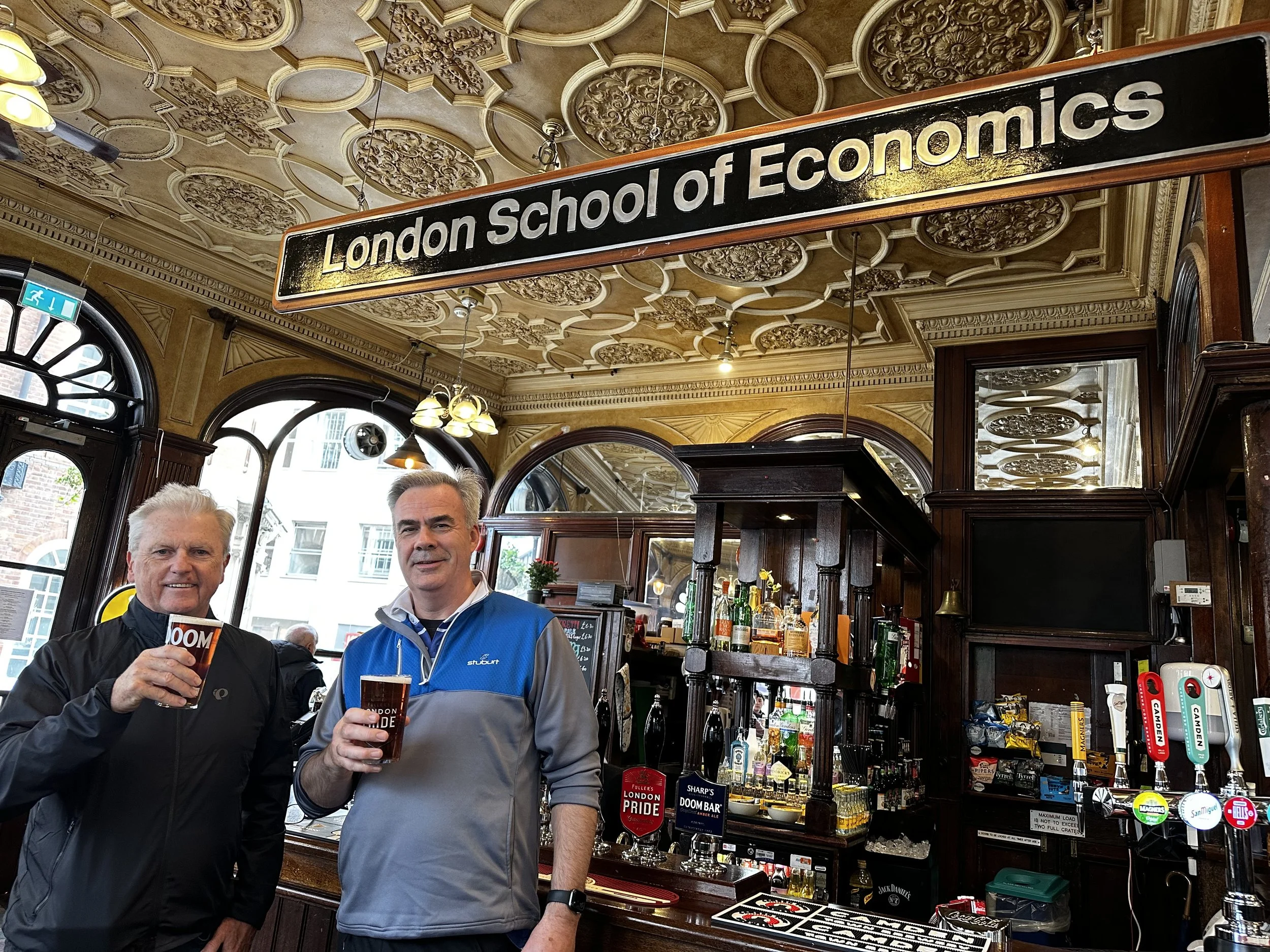
![Two people holding beer glasses in a pub with a sign reading "London School of Economics." The pub features ornate ceilings and a stocked bar.]()
Mike Gordon
During my journey with Mike Gordon in London, we walked 10 miles through the city, immersing ourselves in its history, sharing laughs, and enjoying meaningful dialogue. Our time together reinforced the value of stepping away from daily schedules to explore, reflect, and connect.
-
![]()
Teena Marty
I reconnected with Teena Marty, one of my sister Sheila’s closest friends, as we honored her memory and reflected on the incredible life she lived. Our time together was a reminder of the deep connections and shared stories that keep the people we love close, even after they’re gone.
-
![Two men standing by a stone wall near the beach with the sea and sky in the background.]()
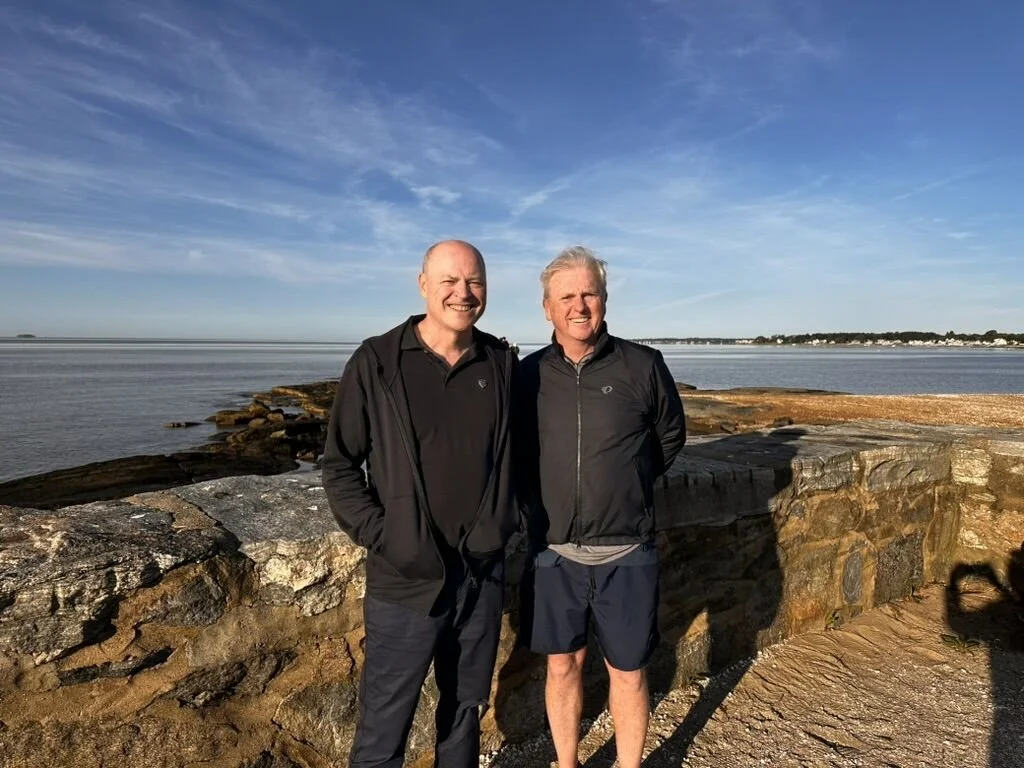
John Rogers
A 5-mile walk with John Rogers along the Atlantic reinforced key leadership principles: staying prepared, balancing portfolios, aligning teams, and building relationships. Our conversation highlighted the power of trust in driving growth and maintaining competitive edge, reminding me how critical clarity, consistency, and strategic decision-making are in leadership.