Adapting to an Uncertain Environment
In our current uncertain environment, it's easy to focus on the familiar—our closest friends, family, and allies. However, true growth and understanding come from stepping outside our comfort zones and engaging with those who live differently than we do.
By embracing new perspectives and experiences, we not only enrich our own lives but also contribute to a more inclusive and empathetic world. When we’re intentional about listening and learning, we begin to create context that grounds our observations.
This week, I’m sharing three reflections on what it takes to lead with greater awareness right now—from listening beyond your bubble to noticing the small things that matter to setting clearer context in the face of change.
Three Key Takeaways:
#1. Listening and Learning
Leading from a "bubble position" is virtually impossible. The recent headlines from the Administration regarding impacts on our global partners, co-workers, and communities aren’t always reflecting the truth that so many people are facing. Taking bold action can be understood, but not adapting when necessary undermines credibility.
Action: Require leaders to step outside their comfort zones by holding roundtables focused on the consequences of bold actions. The best leaders will be present.
#2. Observation
I was taught early on that personalizing interactions with others is a critical part of success. Sometimes, a small gesture or insight can make all the difference—and it’s easy to miss if you're not curious. In disruptive times, paying attention to the little things matters—like being timely for meetings, considering your team’s behavioral profiles, or being open about how you're feeling.
Action: Increase the frequency of leadership team interactions, with an agenda that emphasizes people, teams, customers, communities, and suppliers/partners.
#3. Context
Most organizations approach risk planning as a +/- exercise, but we often need to think bigger—like planning for a major change or crisis. Leaders I’ve been speaking with lately are embracing this mindset. It starts by referencing the current strategy, synthesizing the macro environment into understandable terms, applying the impacts and risks to our situation, and building a "from-to" view with countermeasures. And most importantly, we can’t miss the human impact.
Action: Have the tough conversations and lead with transparency.
My Challenge To You
Ask your employees what the most important 3-5 topics on their minds are and build a response that shows empathy.
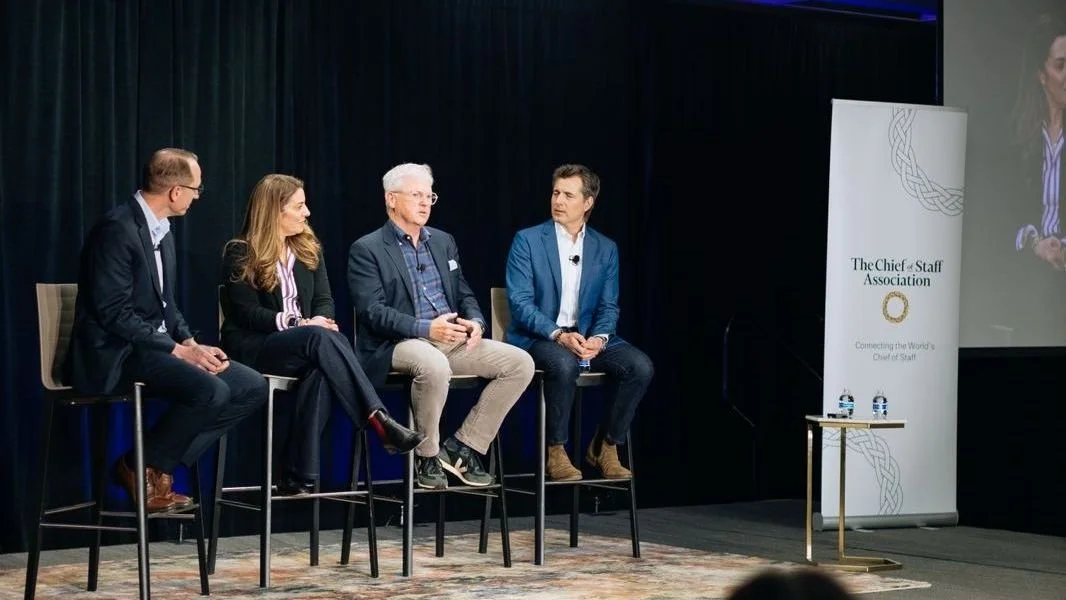
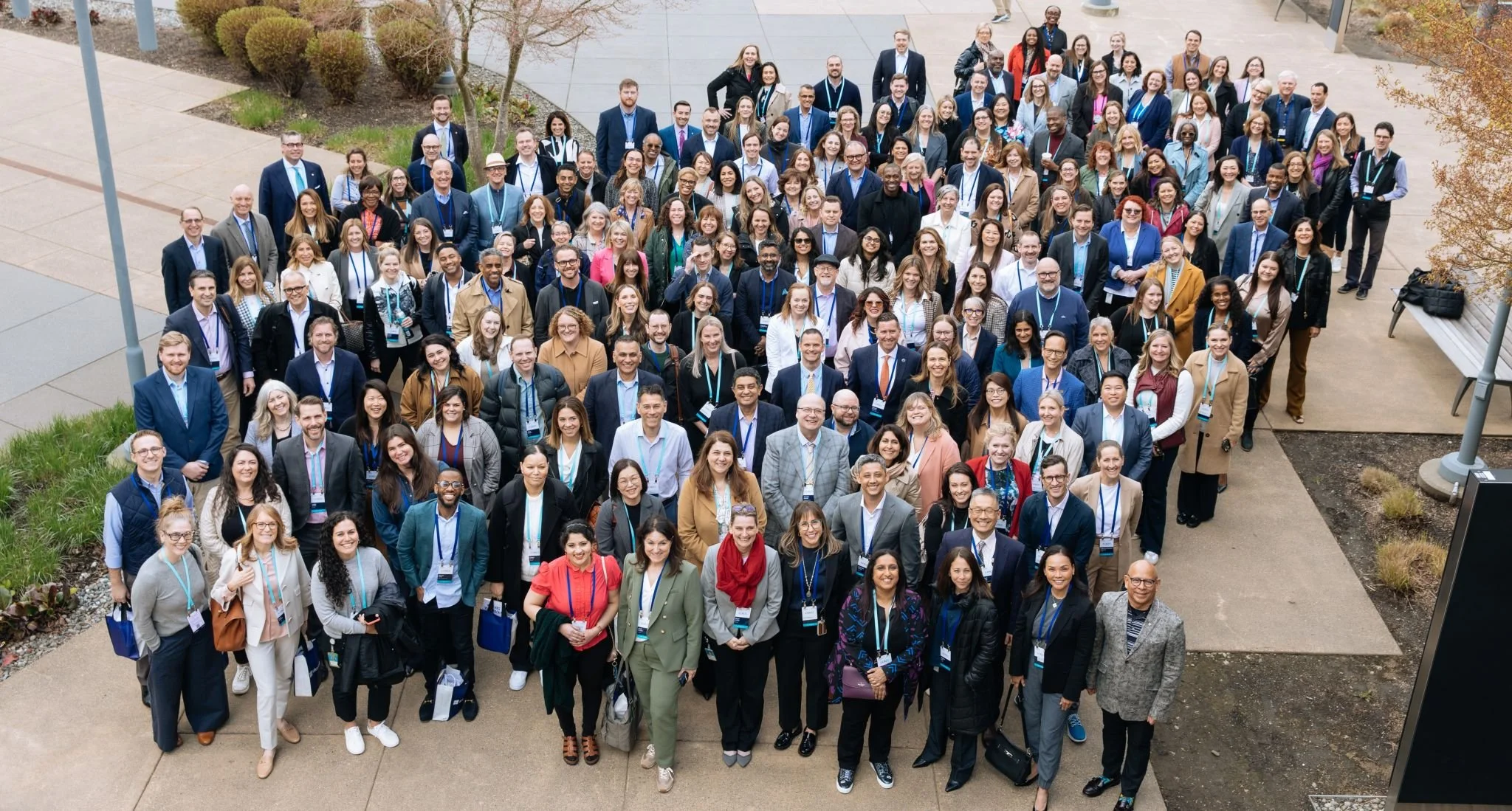
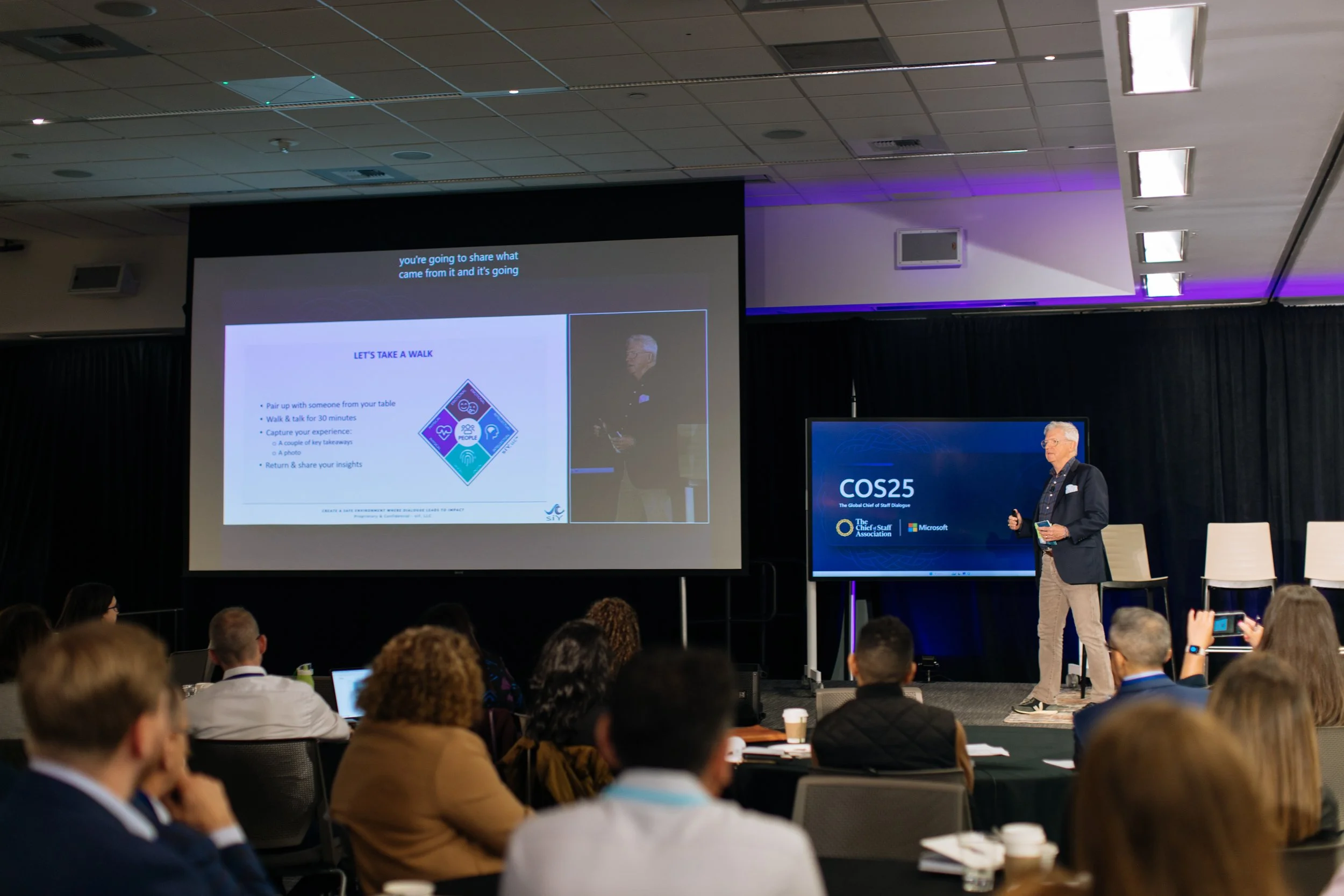
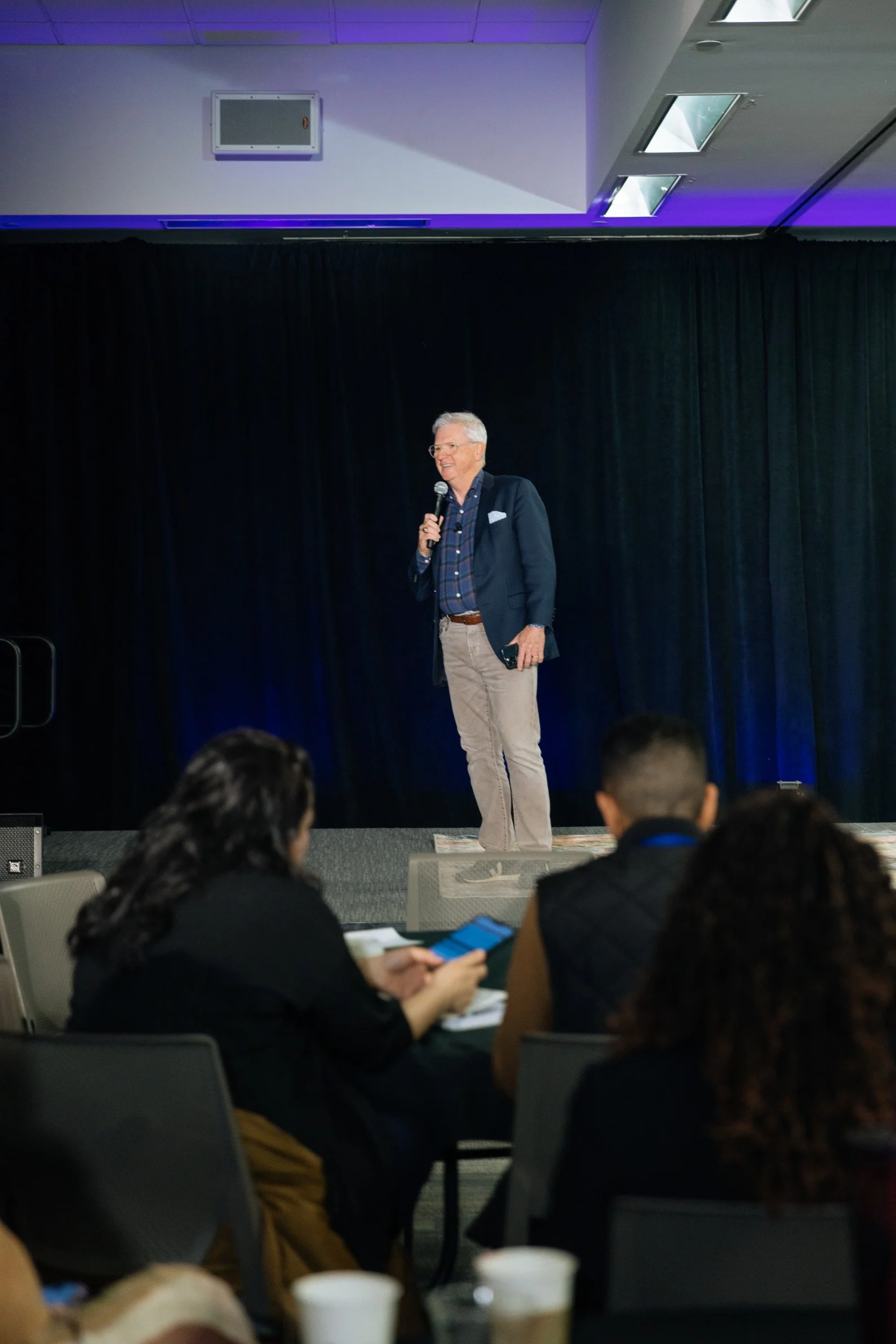
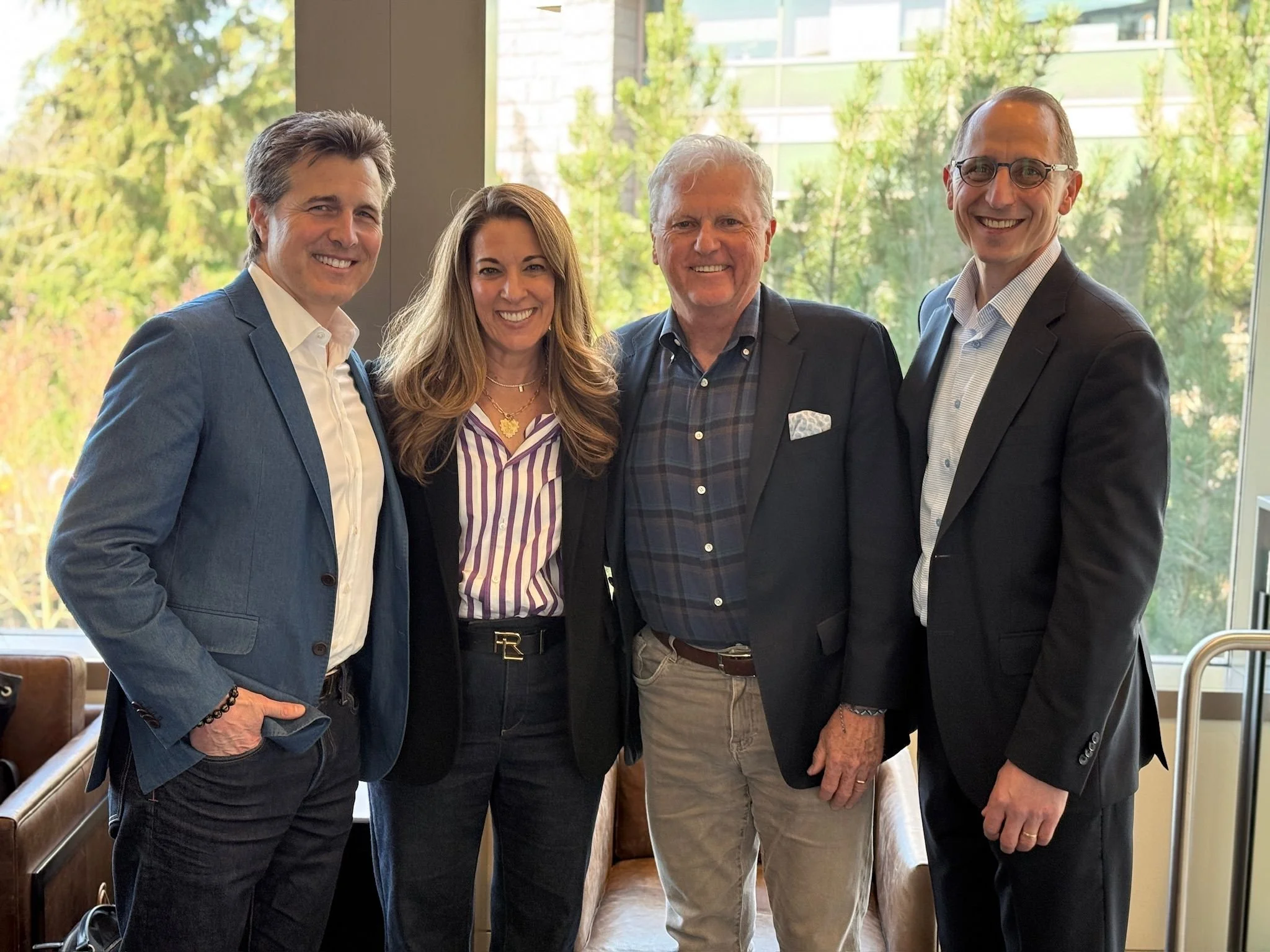
What a great experience sharing the stage with Michael Gervais (Finding Mastery), Deb Cupp and Jeff Buckeye at the COS25: Global Chief of Staff Dialogue Event. I am still reflecting on the dynamic energy throughout the event. Thank you to Trent Smyth, Jeff Buckeye and all the folks at The Chief of Staff Association and Microsoft for hosting such an energizing and meaningful experience at Microsoft’s Redmond campus.